The Bindery / Plate
Glasswind Reverie
Painterly open-world exploration · Paper Lantern Atelier
A sky you can read like weather, painted one updraft at a time.
- Studio
- Paper Lantern Atelier
- Genre
- Painterly open-world exploration
- Players
- Single-player
- Platforms
- PC, current-gen consoles
- Read time
- 19 minutes
- Imprint Score
- 97 / 100
I · The Opening Leaf
Premise & lore
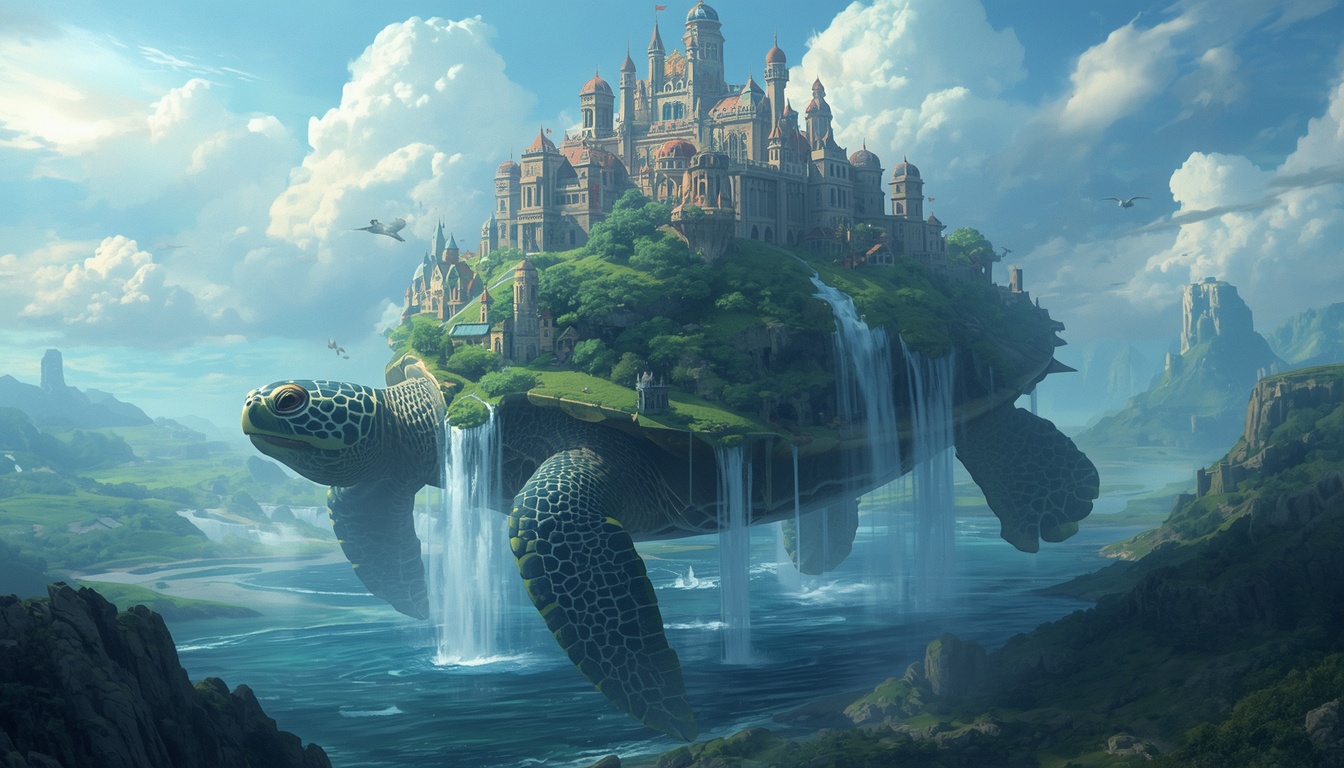
The world of Glasswind Reverie broke a long time before you arrived. A continent that once sat on bedrock now hangs in pieces, each island held aloft by a slow, patient wind the locals call the Reverie. Paper Lantern Atelier never explains the catastrophe outright. You assemble it from weather-vanes, ferry schedules nailed to dead trees, and the way old farmers still flinch when the sky goes quiet.
You play a cartographer with no commission and no map. The premise is almost rude in its simplicity: the sky is unmapped, and you have ink. What the studio builds on top of that is a place that rewards looking up. Cloud-banks carry rumor. A column of warm air over a ruined chapel means thermal lift, but it also means the chapel is still warm, which means someone is still living there.
The lore arrives sideways, through labor. Re-inking a faded trade route teaches you who used to trade and why they stopped. By the time you understand what the Reverie actually is, you have already grieved the world it took apart.
II · The Hand
Mechanics
Movement is the whole game and the studio knows it. There is no stamina meter throttling your glider; instead you read the air. Warm updrafts lift you, cold sinks pull you down, and crosswinds shear your line if you misjudge them. Mastery is meteorological, not mechanical — you stop pressing buttons and start predicting the sky.
Your toolkit is a brush, a kite-glider, and a set of survey instruments. Sketching a landmark from three angles unlocks it as a fast-travel anchor, but the sketch has to be good — framed, level, and complete — or the anchor is unreliable. It is the rare open-world video game that asks you to actually see the thing before it counts as discovered.
Combat barely exists, and Glasswind Reverie is stronger for the restraint. The few hostile creatures are storm-born and avoidable; outrunning a squall is more thrilling than dueling it. The Atelier clearly decided that tension should come from the drop beneath you, not a health bar.
III · The Plate
The audiovisual matrix
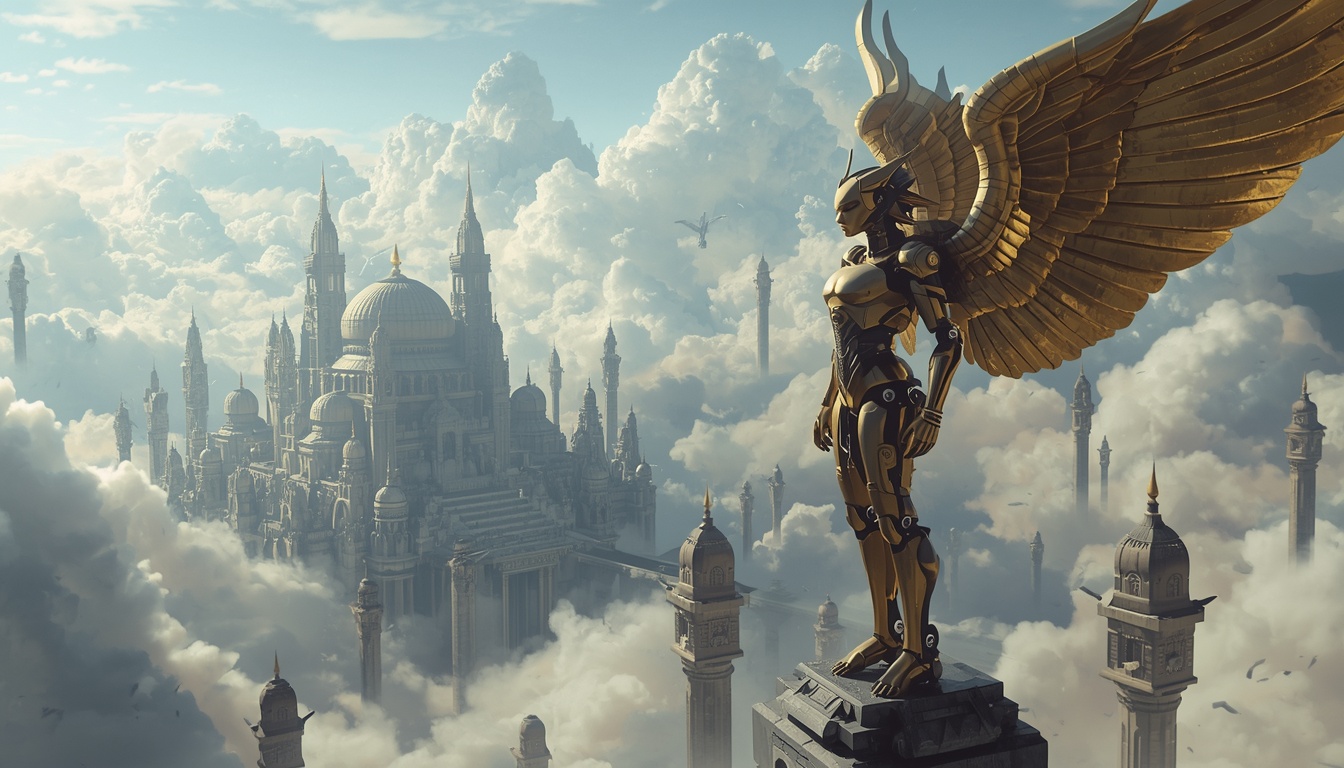
Visually this is the most confident release of the year. Every surface is painted in a loose gouache style that holds together in motion — brush-strokes drift and re-settle as the camera moves, so the world reads as a living canvas rather than a filtered photograph. Distant islands are deliberately under-detailed, the way a painter suggests depth, and the effect makes the archipelago feel enormous.
The audio is just as deliberate. There is no orchestral wall. Instead the score is mostly wind instruments and long silences, with a string motif that only enters when you are gaining altitude. Sound designers tied the music to your vertical velocity, so climbing literally swells the theme. It is the cleverest diegetic trick in the build.


IV · The Proof
Performance diagnostic
On a current-generation console the painterly renderer holds a stable frame even in heavy cloud, with only rare hitching when streaming a brand-new island chain at speed. The Atelier ships a Performance profile that trades a little brush-detail for a locked refresh, and gliders will want it — the smoother the air reads, the better you fly.
On PC the game scales gracefully down to modest hardware because the art style hides resolution beautifully; soft gouache does not crave sharp pixels. Load times are short, controller latency is tight, and we logged no progression-blocking faults across the review period. The one wart is an occasional photo-mode crash when capturing during a fast-travel transition.
Sub-metric readouts
V · The Imprint
The verdict
Bound to Keep
Glasswind Reverie leaves an Imprint of 97/100.
Glasswind Reverie is the kind of release that justifies the medium to a skeptic. It is a video game about attention — about learning to read a sky until it reads back — and it never once cheapens that idea with busywork. Paper Lantern Atelier made something quiet, exacting, and impossible to mistake for anyone else.
It will not satisfy a reader who needs constant friction. There is no failure state worth the name and no antagonist to hate. But as an essay on movement and looking, it is nearly without peer this cycle. We set it down reluctantly, and went straight back up.