The Bindery / Plate
Marrow & Mire
Grimdark survival-crafting · Tallow Works
A kingdom is going under. Bring a lantern and a strong stomach.
- Studio
- Tallow Works
- Genre
- Grimdark survival-crafting
- Players
- Single-player, optional two-player co-op
- Platforms
- PC, current-gen consoles
- Read time
- 16 minutes
- Imprint Score
- 93 / 100
I · The Opening Leaf
Premise & lore
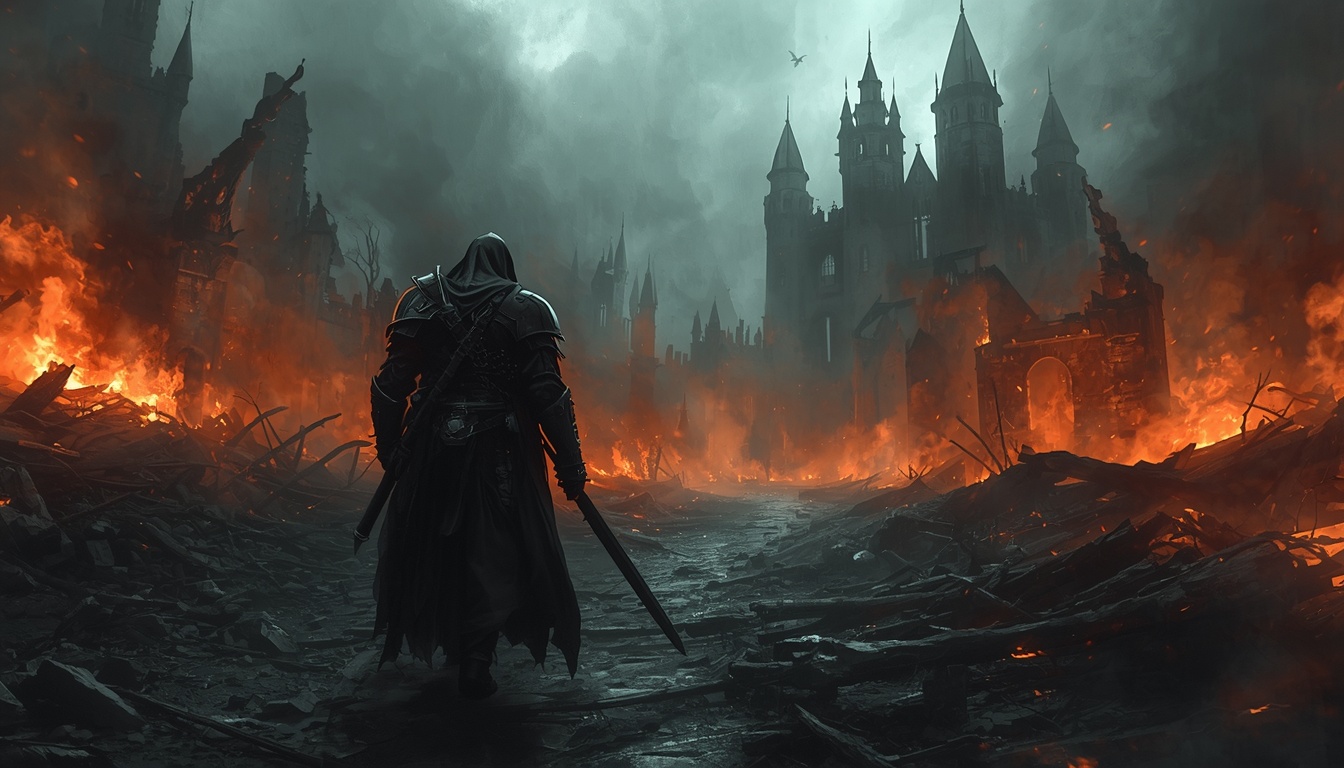
Tallow Works opens on a funeral and never really leaves it. The kingdom of Lowmark is sinking — not metaphorically, not slowly, but on a measurable clock. Every night the water table climbs, and ground that was a road at dusk is a grave by dawn. You are a tallow-render, the lowest of the court trades, kept alive because someone has to make the lanterns that hold the dark off.
The lore is grim and specific. The court drained the marsh for centuries to keep the capital dry, and the marsh is now collecting that debt with interest. Nobles you never meet made the decision; you inherit the flood. The writing refuses to give you a villain to punch, which is exactly why the dread sticks.
What separates this from the usual misery-simulator is its tenderness toward labor. Rendering fat into light is disgusting, repetitive work, and the game treats it as sacred. The people who keep the lamps burning are the only heroes Lowmark has left, and the game knows their names.

II · The Hand
Mechanics
Crafting is the spine, but Tallow Works reframes it as triage. You never have enough tallow, enough dry wood, or enough time before the tide. Every recipe is a choice about who stays warm tonight. Build a second lantern for the orphanage and you go cold yourself; the game logs the consequence either way.
Survival systems are punishing but legible. Warmth, rot, and morale each tick on visible clocks, and they interact — a cold crafter works slower, a hungry one botches recipes. The genius is that the bog itself is the antagonist, rising on a schedule you can plan against but never beat. You are managing a defeat, gracefully.
Optional two-player co-op turns the rationing into negotiation. With a partner you can split the rendering and the foraging, but you also split the warmth, and we watched more than one session curdle into a quiet argument about whose lantern gets the last of the wick. That friction is the point.

III · The Plate
The audiovisual matrix
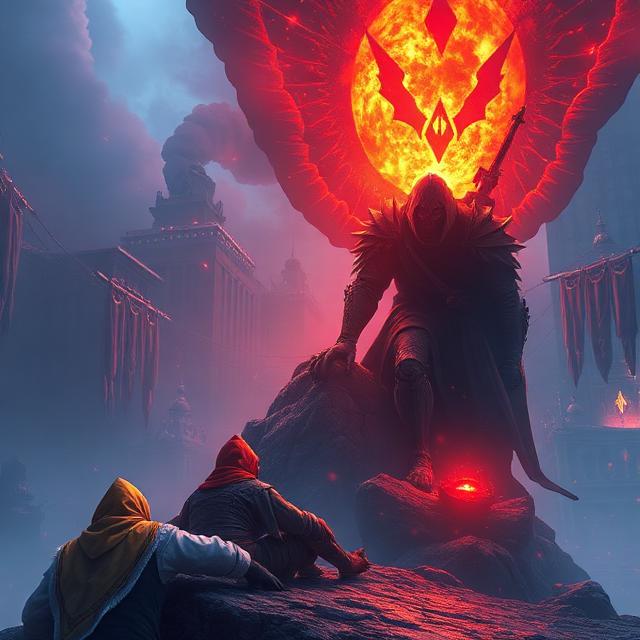
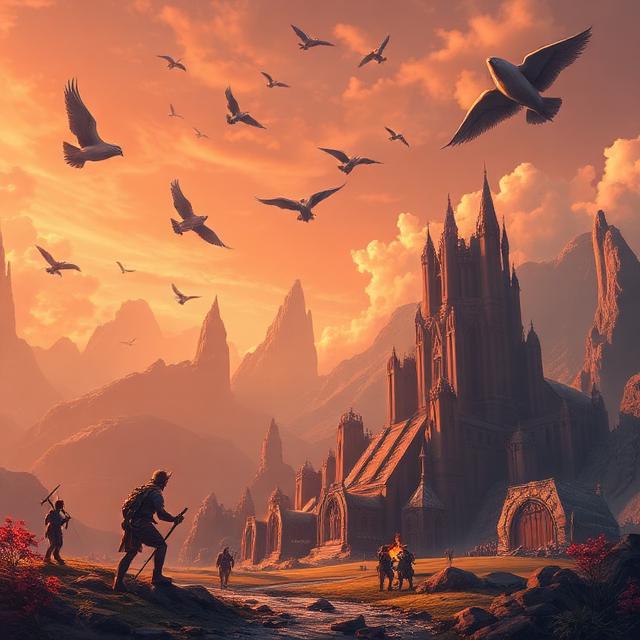
The art direction is wet, heavy, and gorgeous in a way that makes you uncomfortable. Surfaces glisten; cloth clings; the water is genuinely menacing, rendered with a thick caustic shimmer that catches your lantern and throws it back wrong. Tallow Works leans into a near-monochrome palette and lets the single warm light of your lamp do all the emotional work.
The sound design is the quiet star. The bog has a voice — a low, intestinal gurgle that rises with the water level, so you hear the flood coming before you see it. Music is sparse and mostly low strings and breath. When a lantern finally catches, the score exhales with you. Few releases this year tie audio so tightly to mechanical state.

IV · The Proof
Performance diagnostic
Marrow & Mire is heavier to run than it looks, owing to the volumetric fog and the dynamic water simulation. On console it holds a steady cadence at the cost of draw distance, which suits a game where you can rarely see past your own light anyway. On PC the water sim is the first thing to tax a mid-range card; dropping fog density recovers most of it.
Stability across the review build was strong, with one caveat: a long co-op session occasionally desynced the warmth clocks between players, requiring a reload. Tallow Works has flagged a fix. Save handling is robust, autosaves are frequent, and we lost no meaningful progress to crashes.
Sub-metric readouts
V · The Imprint
The verdict
Bound to Keep
Marrow & Mire leaves an Imprint of 93/100.
This is survival-crafting with a thesis. Tallow Works took a genre that usually rewards hoarding and built a game about giving things away as the water rises. It is bleak, deliberate, and far more moving than its grim surface promises. The verdict is not that it is fun — it frequently is not — but that it is honest, and that honesty earns it.
Players who want a power fantasy should look elsewhere; nobody wins in Lowmark. But if you want a video game that respects the dignity of small, doomed work, this one will stay with you long after the credits drain away.